
How to Spot a Fake W-8BEN
Spot a fake W-8BEN by reading foreign status, the treaty claim, and the file. The IRS publishes a blank and does not certify the form.


TL;DR: A fake partnership agreement is a partners' contract that was edited after creation, generated as a fresh file, or given two signature blocks that were never executed together. It is not an LLC operating agreement. IRS Statistics of Income reported that partnerships filed over 4.5 million returns for tax year 2023, and limited liability companies accounted for 72.7 percent of them. A clean pair of signature blocks will not catch a competent edit.
A partnership agreement is the contract among the partners: who contributes capital, who shares profits and losses, who may bind the business, and who signed. A fake agreement asserts that bargain without being the agreement the partners actually made.
An LLC taxed as a partnership still governs itself with an operating agreement. That file is a different check, covered in how to spot a fake operating agreement.
The partnership file arrives in two production families. Edited-after-creation starts from a counsel draft, an older agreement, or a published form, then changes a partner, a profit percentage, or one signature block. Generated-from-scratch builds the recitals, the capital schedule, and both signature blocks in one pass, so the pages agree by construction. The agreement and the certificate do different jobs.
Massachusetts states the filing line in guidance updated on October 30, 2025. A general partnership does not register with the Secretary of the Commonwealth. A limited partnership files a certificate, and a limited liability partnership files its own. The IRS describes the arrangement as a partnership whether or not a formal agreement was written down. A missing state record is ordinary for a general partnership and a problem for a limited partnership that claims to be on file. Where a certificate is required, a partner joining or leaving is a $100 amendment.
FinCEN's CDD Rule FAQs still count that unfiled general partnership as a legal entity customer, along with limited partnerships. The ownership prong is each individual who owns 25 percent or more. The control prong is one person with significant responsibility to direct the entity, and the examples include a general partner. Identity verification checks those people. The PDF is not an issuer document under the rule.
Blurry scans and floating signatures still catch crude forgeries. They miss a partner line changed inside a real counsel PDF, and they miss a generated agreement whose two signature blocks were produced together. A familiar form layout is a weak tell. A profit share that differs from capital can be the real economics. Members, a managing member, or an operating agreement mean the PDF is an LLC document with a new title.
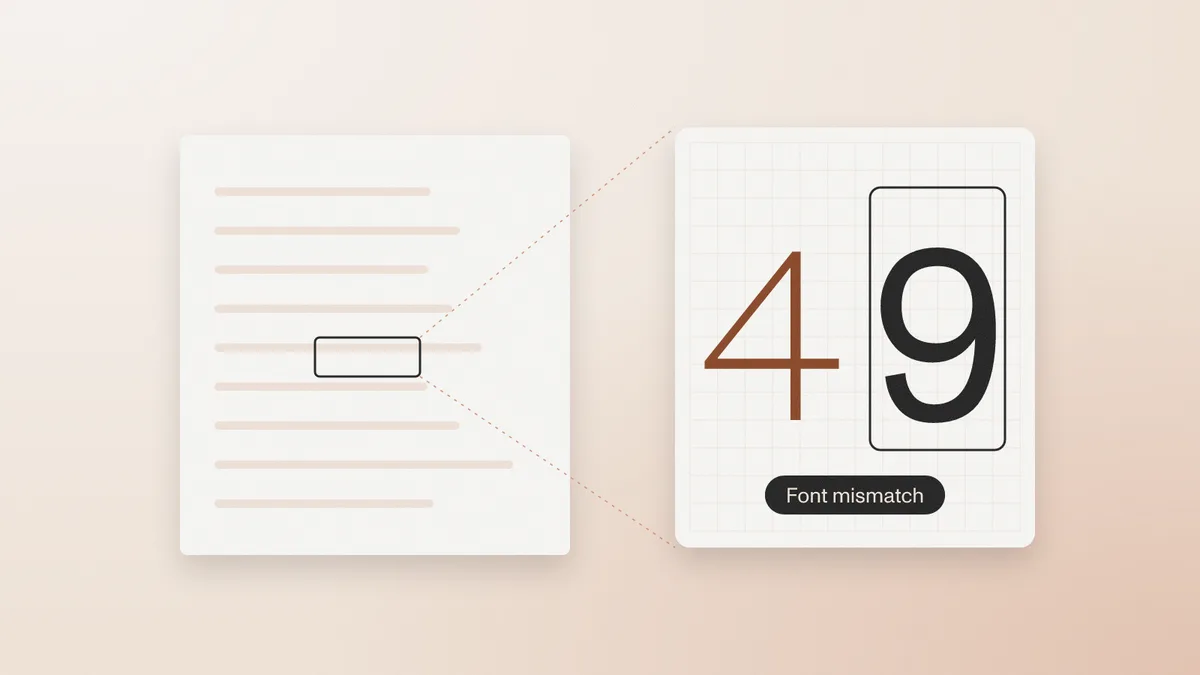
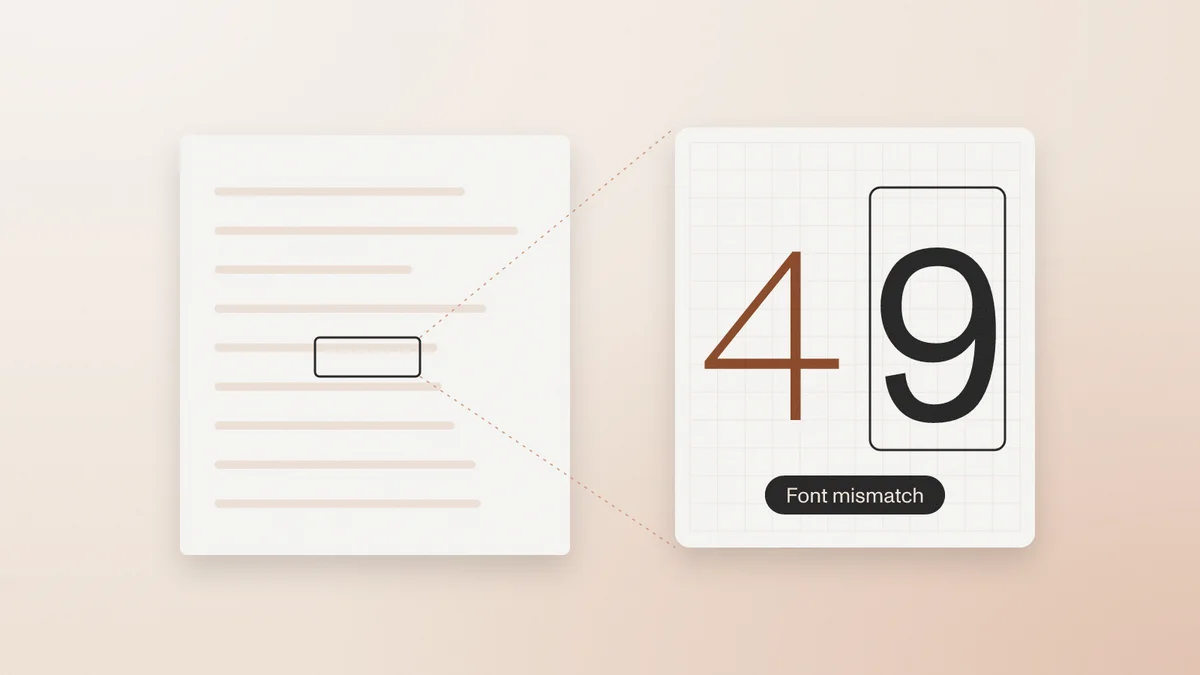
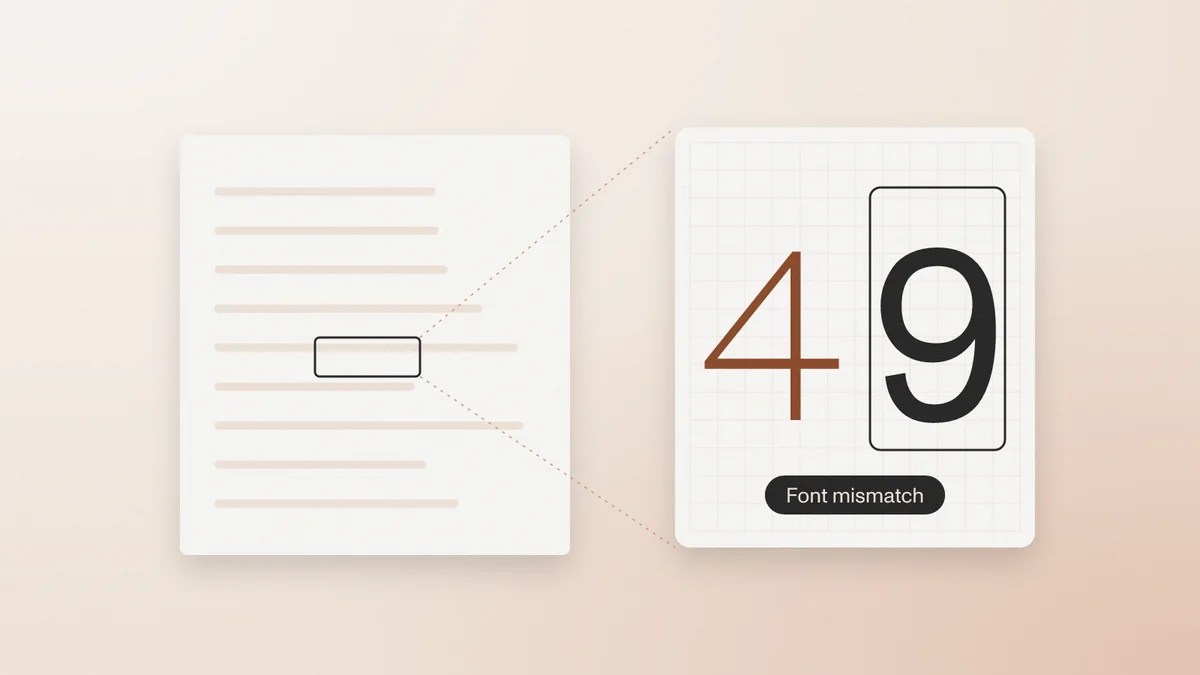
Two signature blocks are the page this instrument is built around. A general-partner block and a limited-partner block should share a production history with the body. A different font, a restarted page number, a legal name the recitals never use, or a signature image stored as its own object catches a block attached after the body was finished. A generated file shares one layout across both blocks and the body. Shared layout is not evidence anyone executed the page. An unsigned agreement can still be a real partnership.
Where a certificate exists, a partner change has to show up as an amendment. A certificate match still leaves the profit shares untested, and a general partnership has no certificate at all. UBO identification is where the names resolve to people. FATF's March 2023 guidance on beneficial ownership of legal persons treats partnerships as a structure a share threshold can miss, because many have no shares. Control can include the right to appoint or remove a partner, to direct profit share, or to amend the partnership agreement.
Detection on a partnership agreement is the file's story, and the agreement usually has no government issuer. Six classes of signal cover edited-after-creation, generated-from-scratch, and serial reuse: production method, timestamp trail, issuer matching, consistency, model artifacts, and recycled patterns. They are not a method for producing a cleaner fake.
Production method asks how the bytes were made: a law-firm export, a later edit, a design tool, or a generative pipeline. Edited-after-creation means a partner, a percentage, or one signature block moved after the rest of the agreement existed. Generated-from-scratch means the recitals and both signature blocks were born in the same session.
Timestamp trail asks whether that history fits the claimed execution. Amendments are normal, so an older effective date on a recently saved file can be genuine. Firm drafts followed by two signing events read differently from a file born complete, with the partner schedule as the last change and both blocks written in the same minute.
Issuer matching binds the file to the public record that partnership type actually has. For a limited partnership or a limited liability partnership, the name has to agree with the certificate, and a partner change has to agree with an amendment. A general partnership fails this test only when the review demands a filing that Massachusetts does not collect. A state search that returns the limited partnership still leaves the limited-partner list unproved.
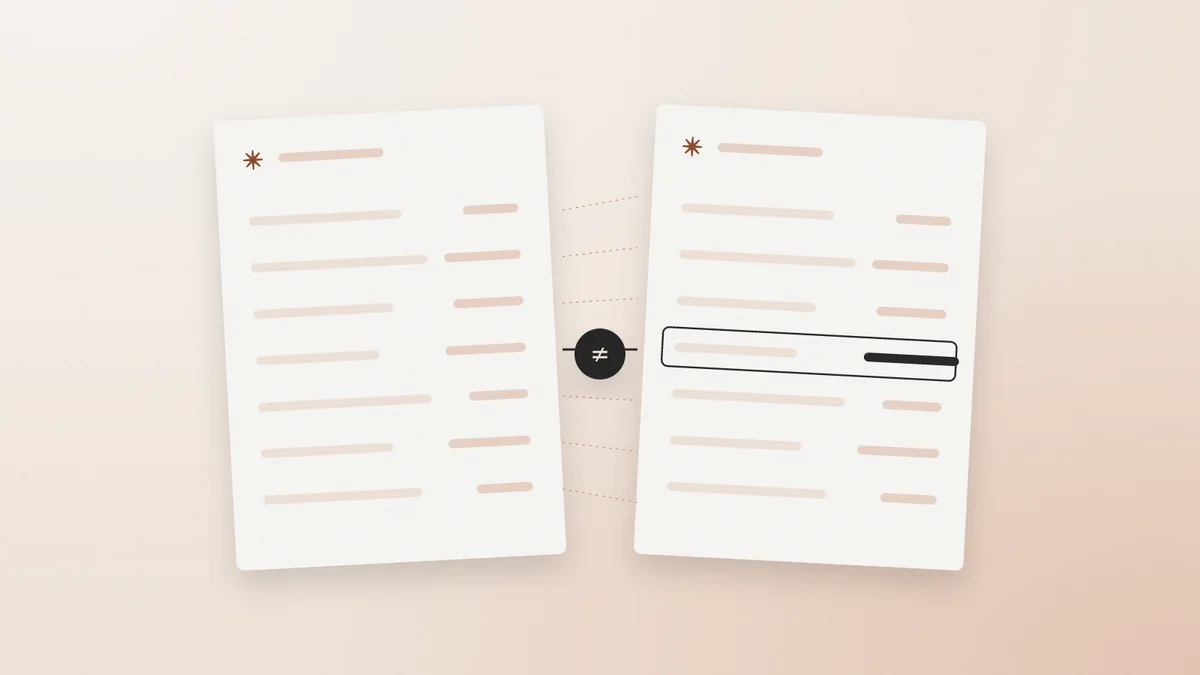
Consistency turns the same test inward. Capital, profit shares, management rights, and both signature blocks have to agree with the body and with the packet. A profit share that differs from a Schedule K-1, or a general partner who is a limited partner two pages later, is a break. Those allocations should be readable against Form 1065 when the return is in the file. A return that was never filed is a separate document, covered in how to spot a fake tax return. Internal agreement is not proof the partners made the bargain.
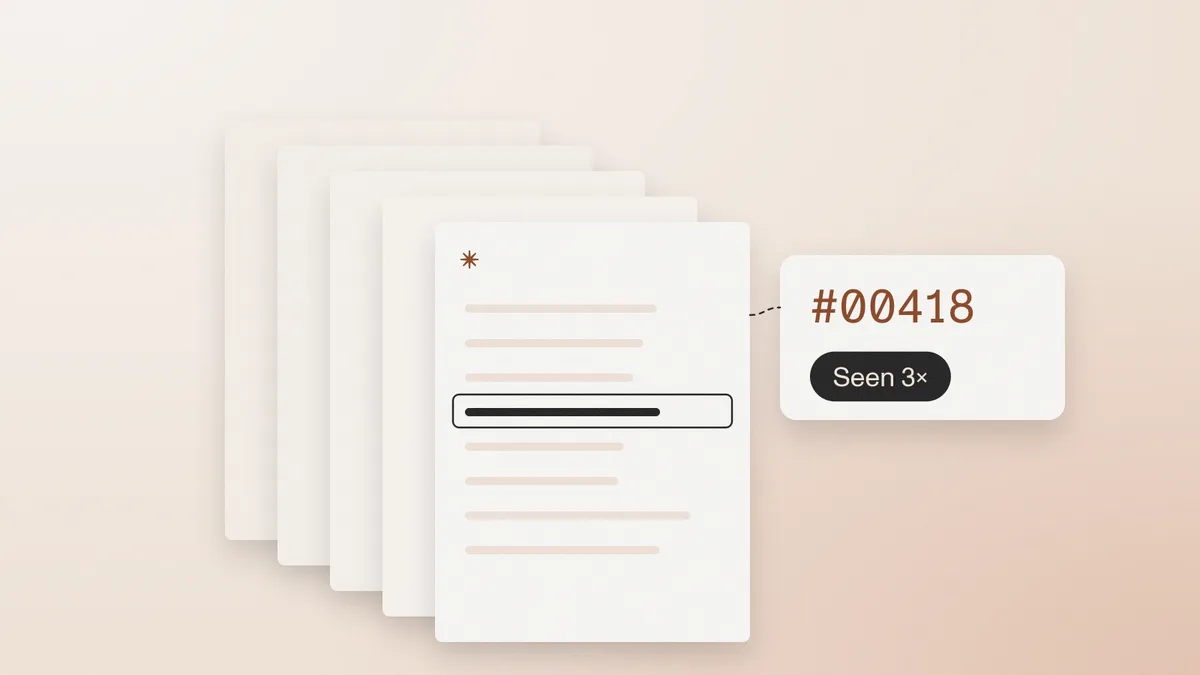
Model artifacts are the traces a generated page leaves past the signature images: the same cadence in every section, cross-references to missing clauses, and layout that did not come from a firm's PDF printer. Recycled patterns are shared templates, repeated signature images, and repeated counsel blocks across applicants who are not one partnership.
Confirm the entity type before reading a percentage. An LLC belongs with the operating-agreement review, including when the return is Form 1065. A limited partnership or limited liability partnership gets a name-and-general-partner comparison against the certificate and any amendment. Where general partnerships go unregistered, a missing filing matches the expected record. Every partner and profit share still has to match the beneficial-ownership certification and the signers on the application.
When the names match and the file still looks assembled, ask whether one signature block was produced apart from the body, and whether a partner or a percentage changed after the rest of the agreement. A prior version, or a signing record for this file, settles it. The same footer or signature image on two unrelated applicants is enough to hold both.
For a scored second look, check a document in the Watchdoc playground. The x-ray is production method, timestamps, issuer match, consistency, model artifacts, and recycled patterns. The playground does not replace the state search. The wider packet is covered in KYB document fraud detection.
Sphinx Watchdoc runs the six checks on the partnership agreement, shows the x-ray, and returns a verdict a reviewer can defend. Published figures put a correct verdict at 94.3 percent, 2.8 times more forgeries caught, and clean files cleared in under 28 seconds, across 1 million documents processed. The price is $0.45 per document, with no seats and no platform fee, and published figures describe the check as 54 percent less expensive. The Watchdoc playground is free for the first file, no email required, on a 50-document free tier. Test both signature blocks against the file's history, and against the certificate when the partnership type has one, before the named partners are treated as real.
Compare the partners, the profit shares, and both signature blocks to the certificate when one exists, to the beneficial-ownership certification, and to the rest of the KYB file. Competent fakes fail when a schedule was edited after creation, the signature blocks were produced separately, or the same agreement appears on an unrelated applicant.
A partnership agreement is the contract among partners of a general partnership, a limited partnership, or a limited liability partnership. An operating agreement is the members' contract for an LLC, including an LLC that files Form 1065. IRS figures for tax year 2023 put limited liability companies at 72.7 percent of partnership returns.
In Massachusetts, a general partnership does not register with the Secretary of the Commonwealth. A limited partnership and a limited liability partnership file certificates, and a partner change on those entities is an amendment. The agreement stays a private contract, and an empty state search does not show that a general partnership is fake.
Under FinCEN's CDD Rule, a covered institution identifies each individual who owns 25 percent or more of the equity, and one individual with significant control responsibility. A general partner is an example of that control person. FATF guidance adds that control can include the right to amend the partnership agreement or to direct profit share, including where the partnership has no shares.
Two signature blocks show that the file contains two blocks. They show execution when they share the body's production history and name the partners in the recitals. A block added later, or both blocks generated with the body, can look signed. File history is the check the page does not show.
Spot a fake W-8BEN by reading foreign status, the treaty claim, and the file. The IRS publishes a blank and does not certify the form.
How to spot fake corporate bylaws: rules that contradict the articles, adoption before incorporation, and a template reused across companies.
How to spot a fake stock certificate offered as KYB ownership evidence, when the ledger matters more than the vignette.

A Schedule K-1 reports a partner's share of income. Capital-account math, form year, and an IRS transcript catch edited and generated fakes.
A fake 1099 is an information return edited after creation or generated from scratch. Match it to the IRS wage and income transcript.
How to spot a fake employment verification letter: edited versus generated files, the tells that fail, and six checks on the file.

Spot a fake mortgage statement by confirming principal, amount due, due date, and rate with the current servicer.
Spot a fake W-9 by matching the line 1 name and TIN. The IRS publishes a blank form and does not seal a completed one.
Spot a fake merchant statement by rebuilding amount processed from the fee lines and confirming the merchant ID with the processor.
Spot a fake DBA certificate in the county index: file number, registrant, and expiration. A filing is not good standing.
Spot a fake board resolution by checking that the certifier is not the empowered signer and that the resolution date comes first.
Spot a fake certificate of incumbency by checking the certifier and the state's officer list. A seal does not prove the offices.
How to spot a fake brokerage statement used as proof of assets, and why file history beats a clean layout.
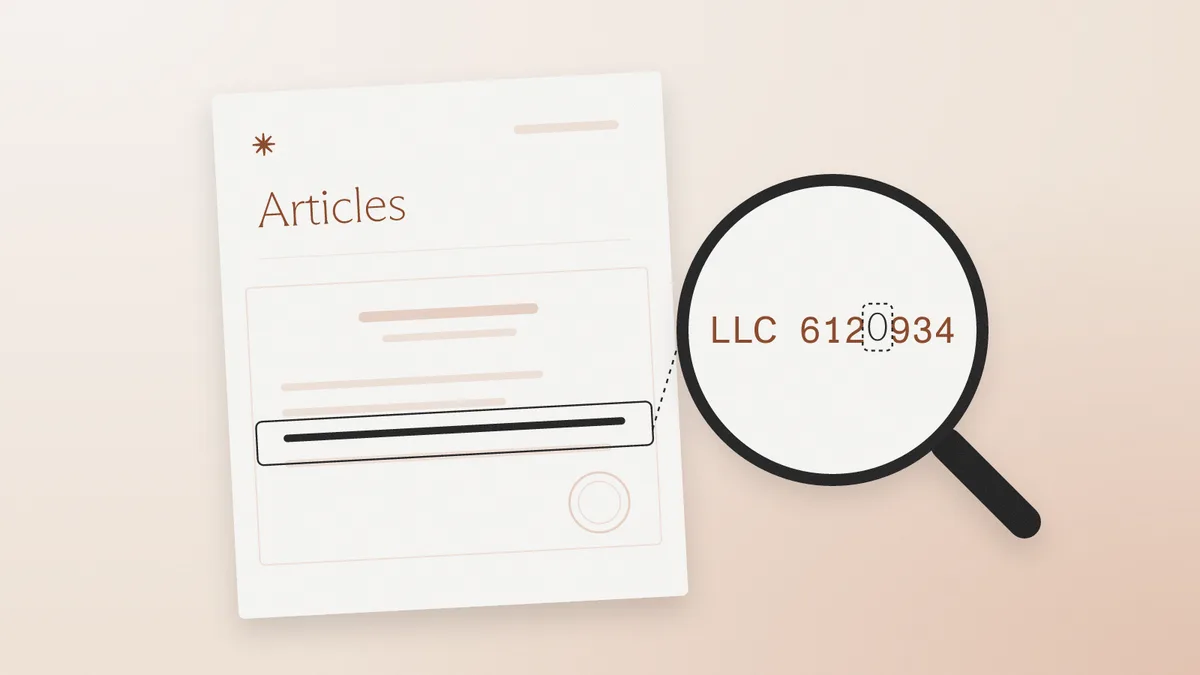
How to spot fake articles of organization by matching the file number and filing receipt to the state record before the account opens.
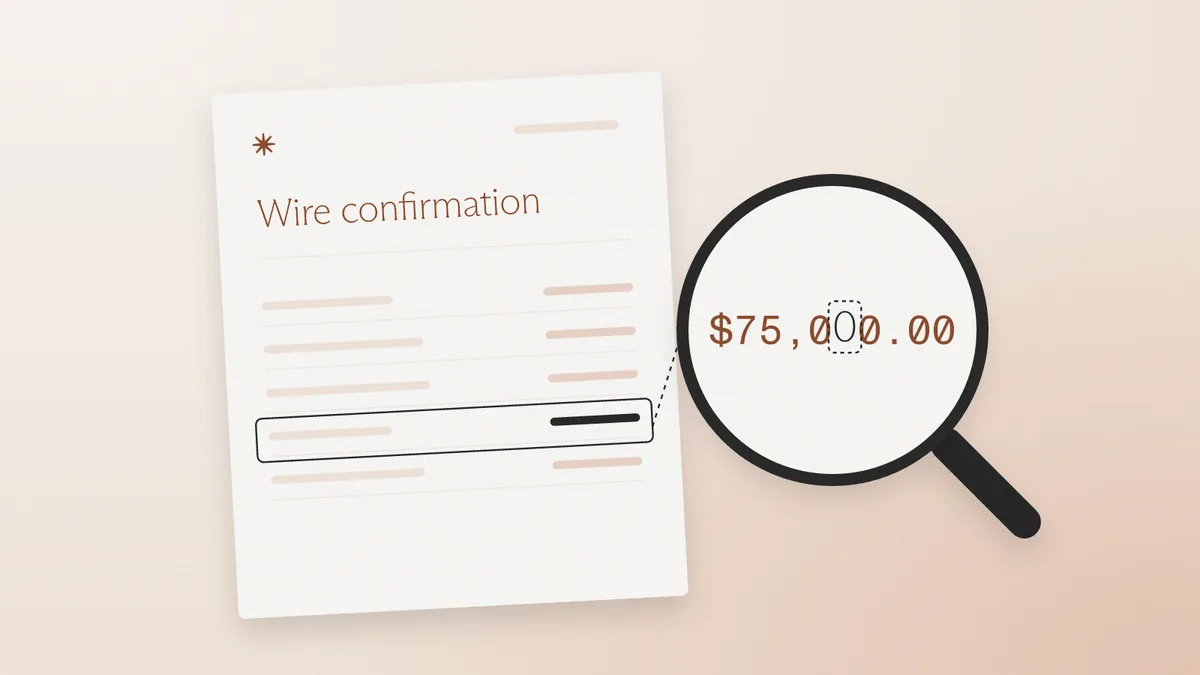
A wire confirmation is a claim that money moved. Edited and generated payment advice fail file checks. The posted credit is the proof.
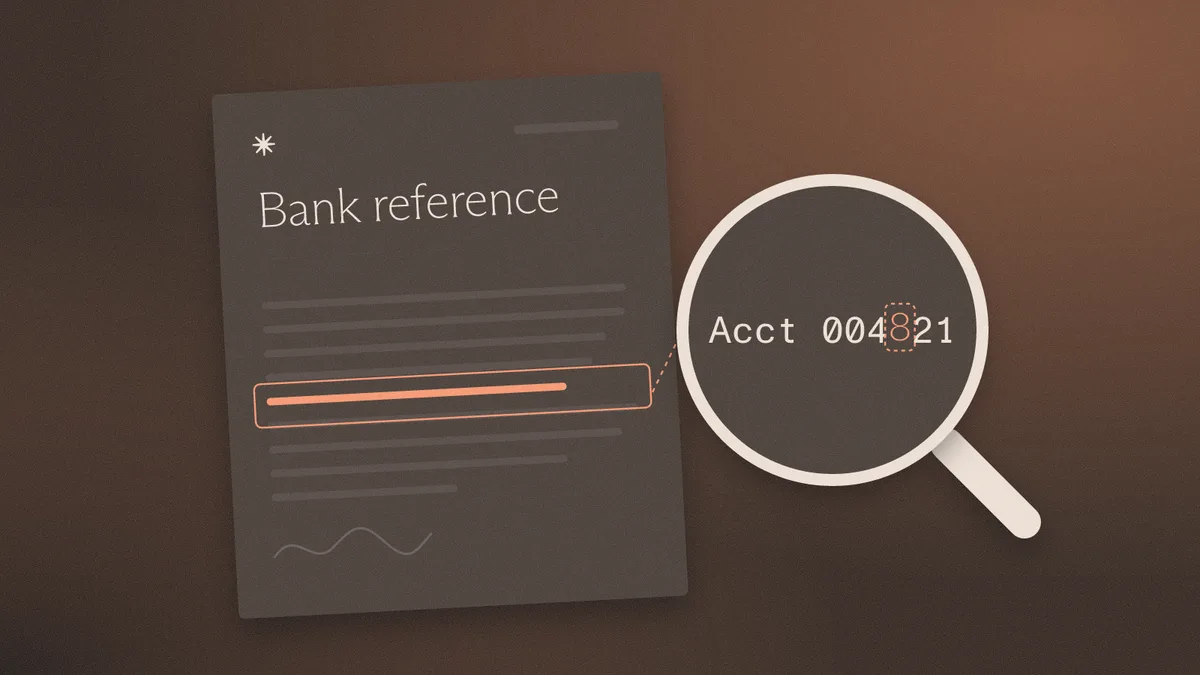
How to spot a fake bank reference letter: the relationship claim, the signatory, and the edit history. Letterhead is cheap to copy.
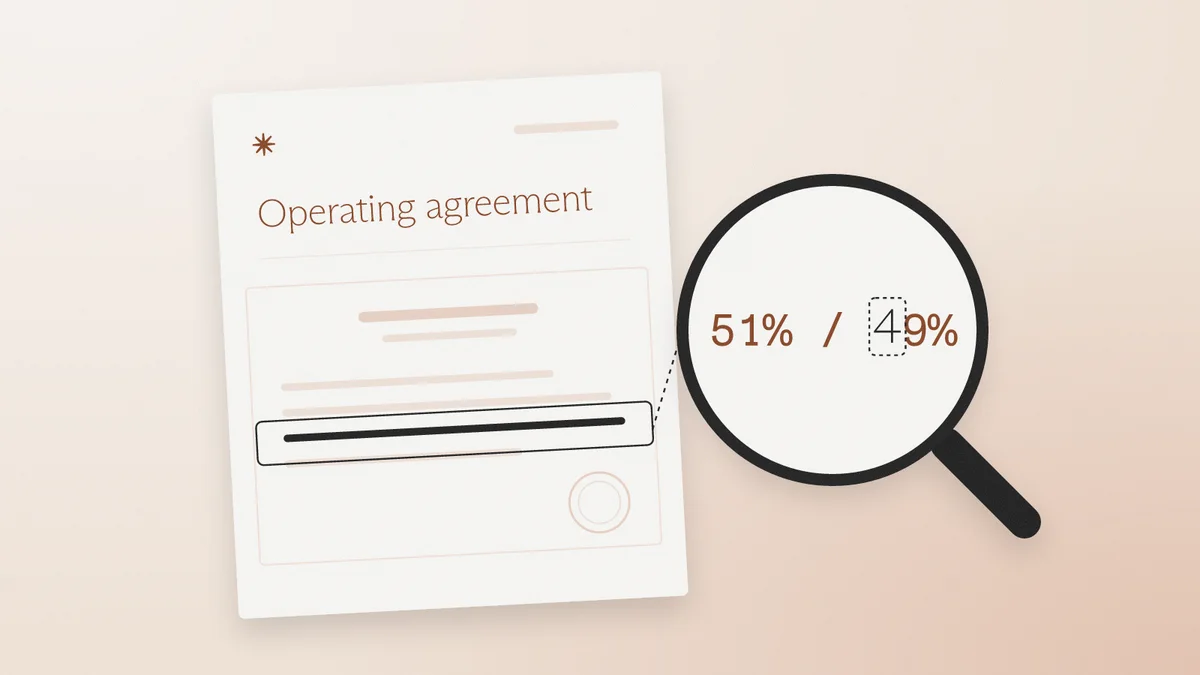
How to spot a fake operating agreement in KYB: edited member schedules, swapped signature pages, and ownership that does not match the file.
Spot a fake certificate of good standing by checking the as-of date, file number, and post-download edits.
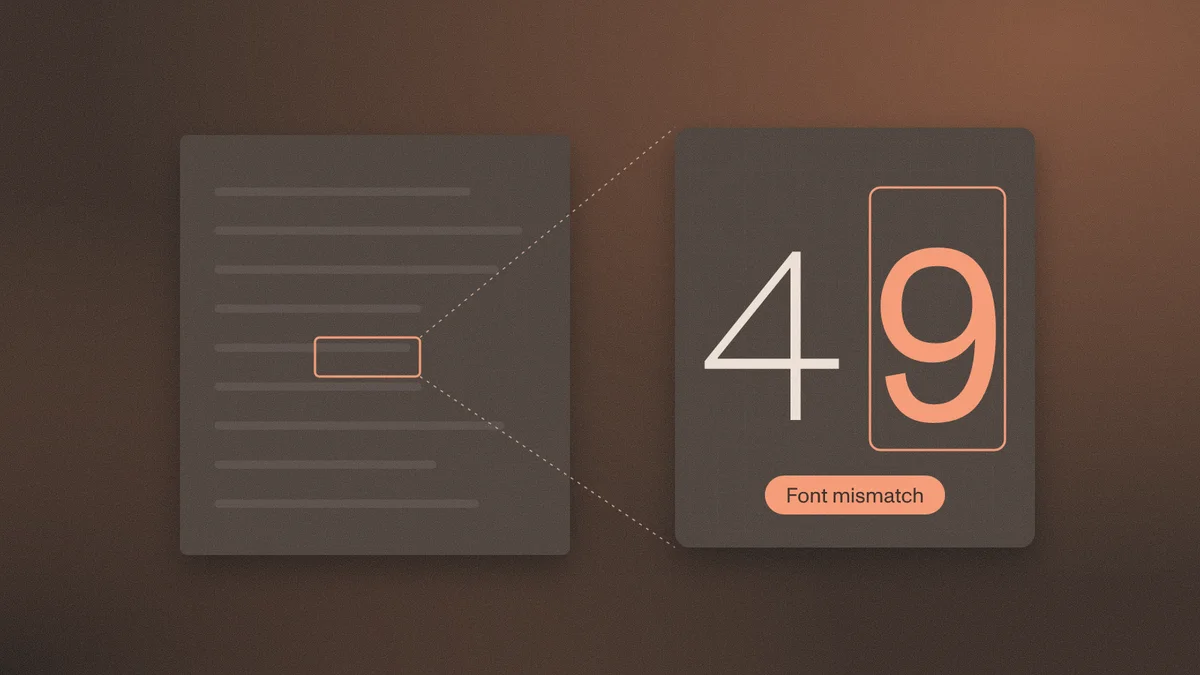
How to spot a fake voided check using file history, routing match, and account control. A VOID mark misses edited and generated files.
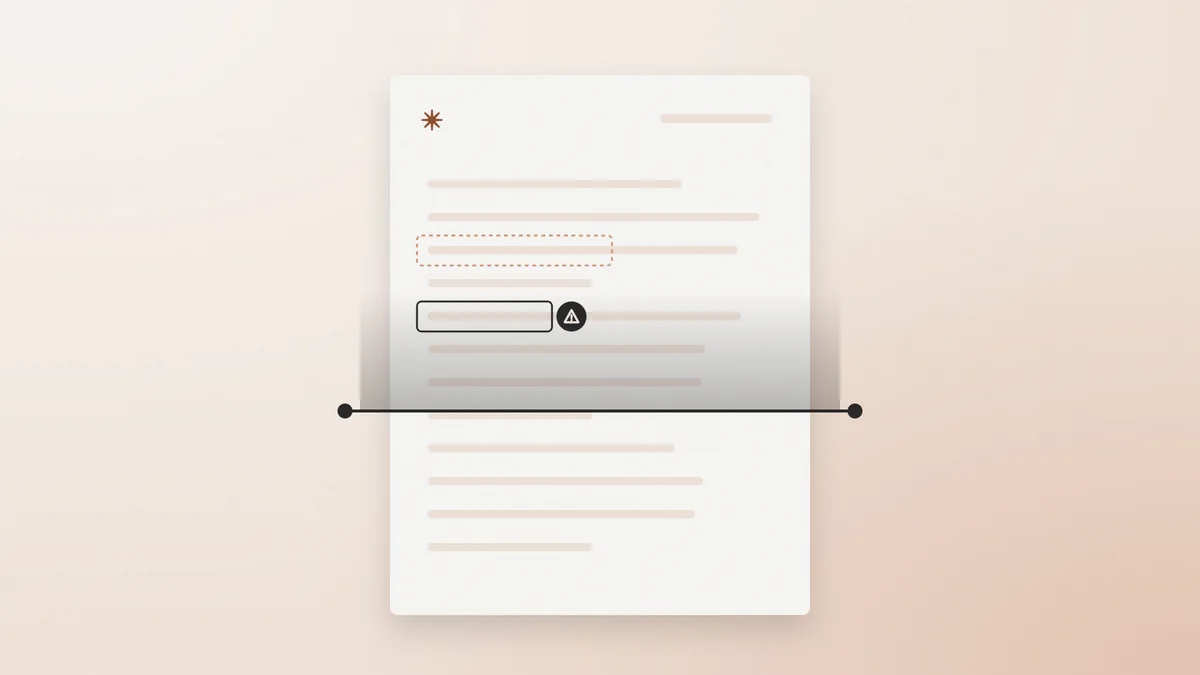
Verification reads the page and matches the applicant. Fraud detection reads the file. What each misses, how to evaluate each, and when you need both.
PDF metadata analysis for fraud detection: Info dictionary, XMP, timestamps, producer strings, incremental updates, and what each can and cannot prove.
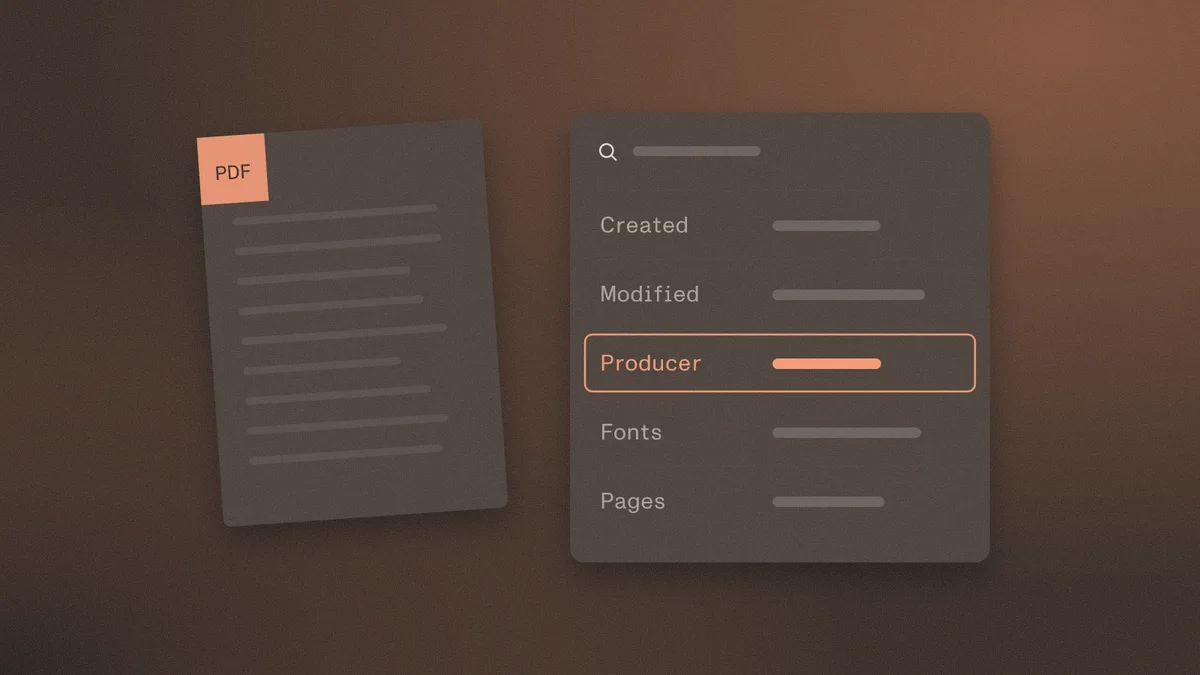
How to spot fake financial statements in SMB lending and KYB: inflated revenue, fake auditor letters, 4506-C and bank reconciliation, six file checks.
How to spot a fake certificate of insurance: why an ACORD 25 confers no rights, the tells that survive, carrier and NAIC lookups, and the six file checks.
How to spot a fake lease agreement in KYC, mortgage, and KYB review: landlord, date, rent, and disclosure tells, plus the six file checks that settle it.
How to spot a fake proof of funds letter in lending, real estate, and escrow: the tells that work, the six file checks, and how to verify with the bank.
How to spot a fake EIN confirmation letter: what a real CP 575 or 147C contains, the tells that survive, IRS TIN Matching limits, and the six file checks.
How lenders and onboarding teams spot fake 1040s, W-2s, and IRS transcripts: line-item tells, edited vs generated files, and the Form 4506-C break-test.
How to spot a fake invoice in factoring, trade finance, and AP: the tells that still work, the six file checks, and the debtor break-test that settles it.
Should compliance teams accept screenshots of bank statements? What a flattened PDF loses, which fraud checks still work on images, and how to set policy.
Explainable document forensics shows where a file was altered, what it said before, and how the examiner knows. Why a fraud score alone fails audit.
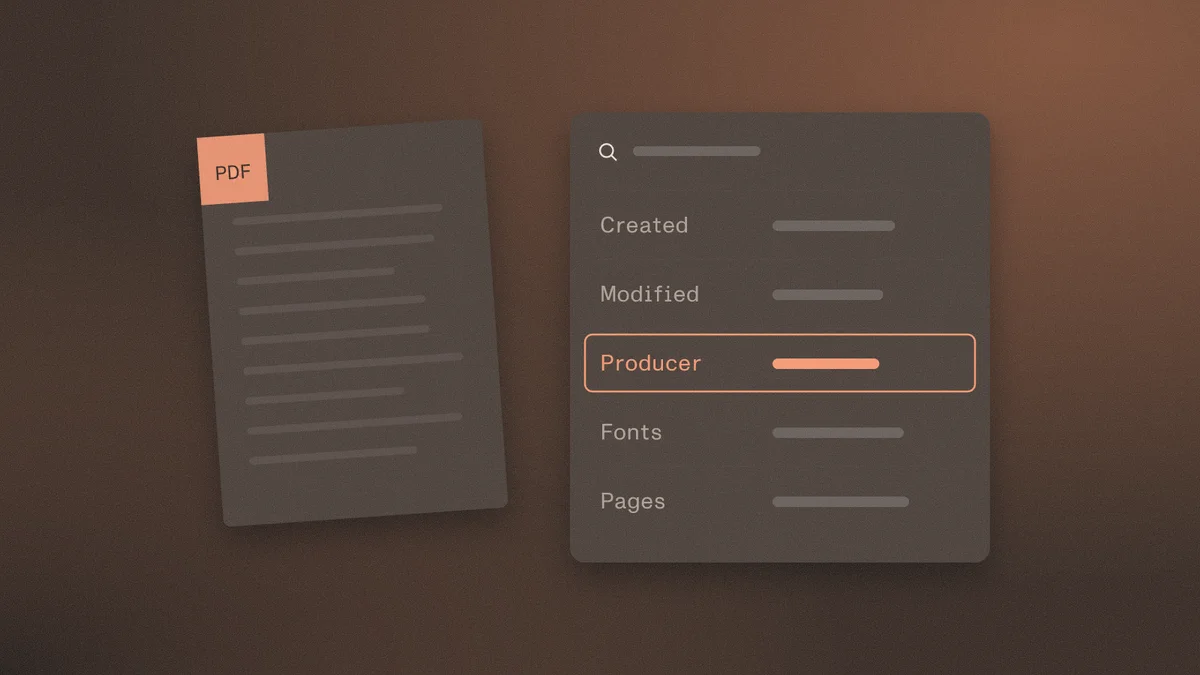
How KYC, KYB, rental, and lending teams spot fake utility bills used as proof of address: edited vs generated files, tells that work, six file checks.
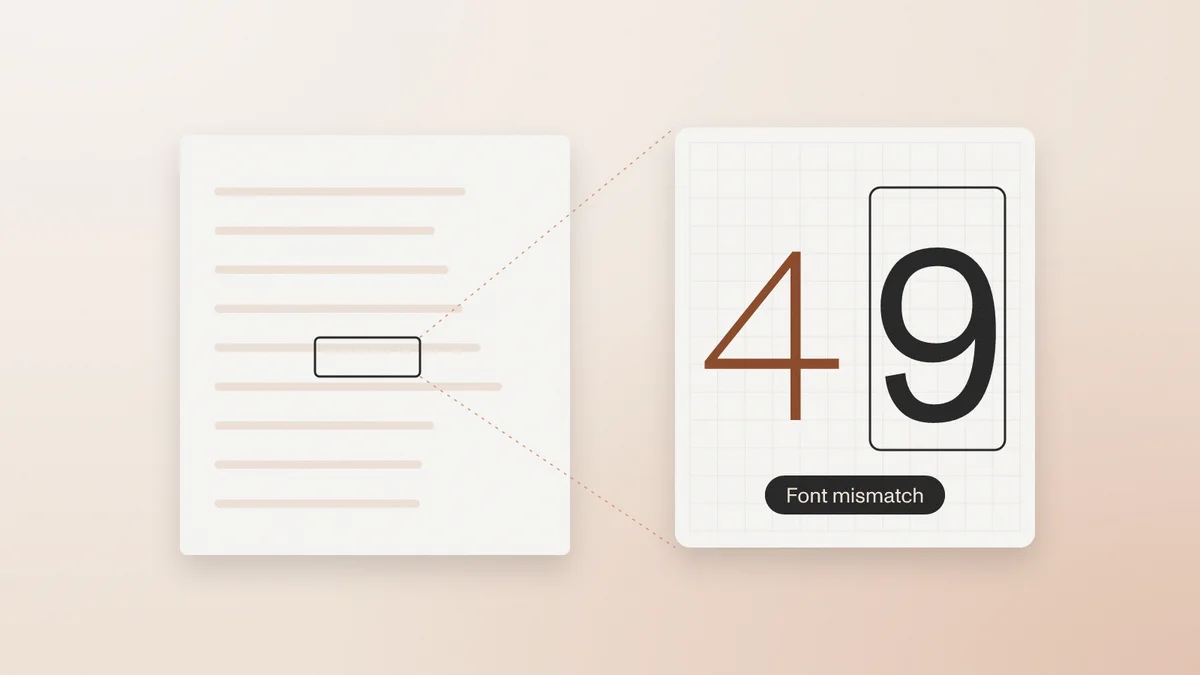
How fake document templates and template farms work, why template-made files have no issuance history, and how to detect them in KYC and lending.
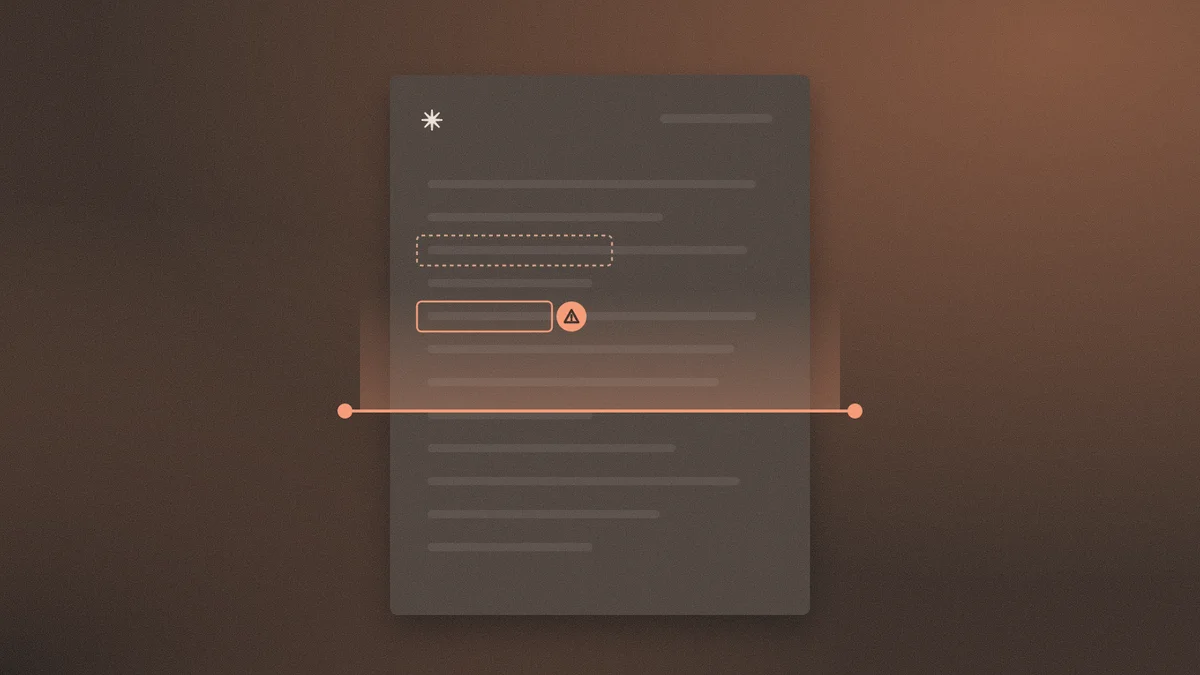
Serial document reuse detection catches one statement, stub, or ID recycled across unrelated applicants. Why single-file review misses it.
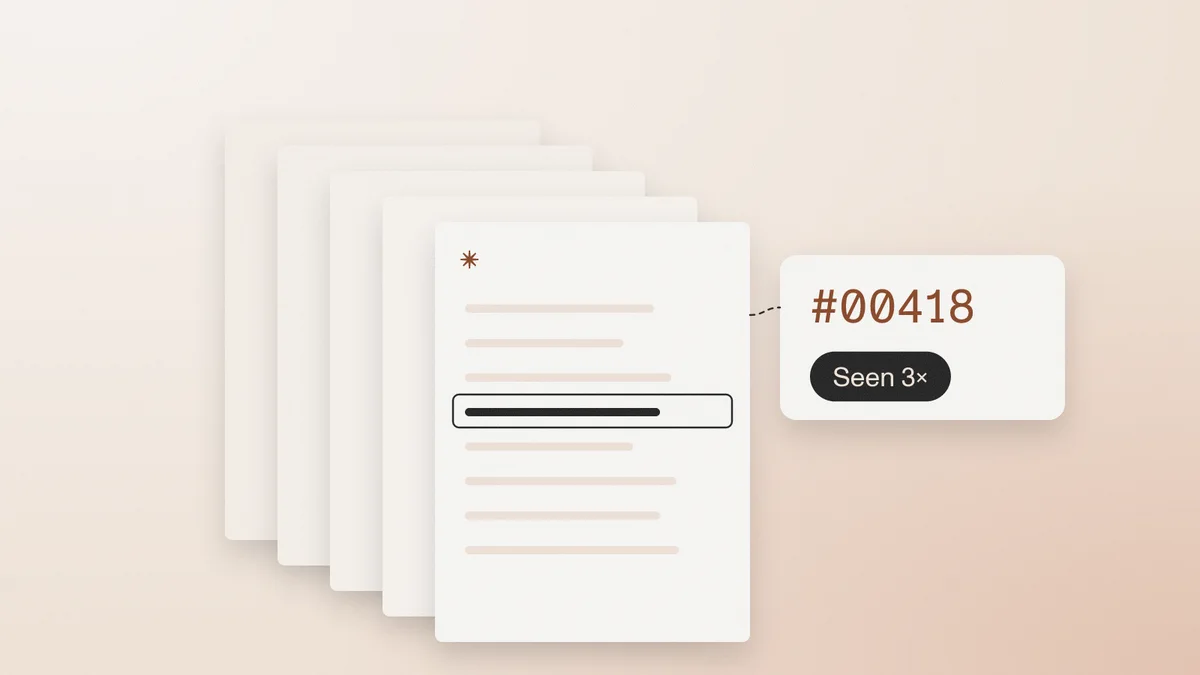
Loan document fraud detection tests bank statements, pay stubs, and tax docs as a package — the red flags underwriters miss on visual review.
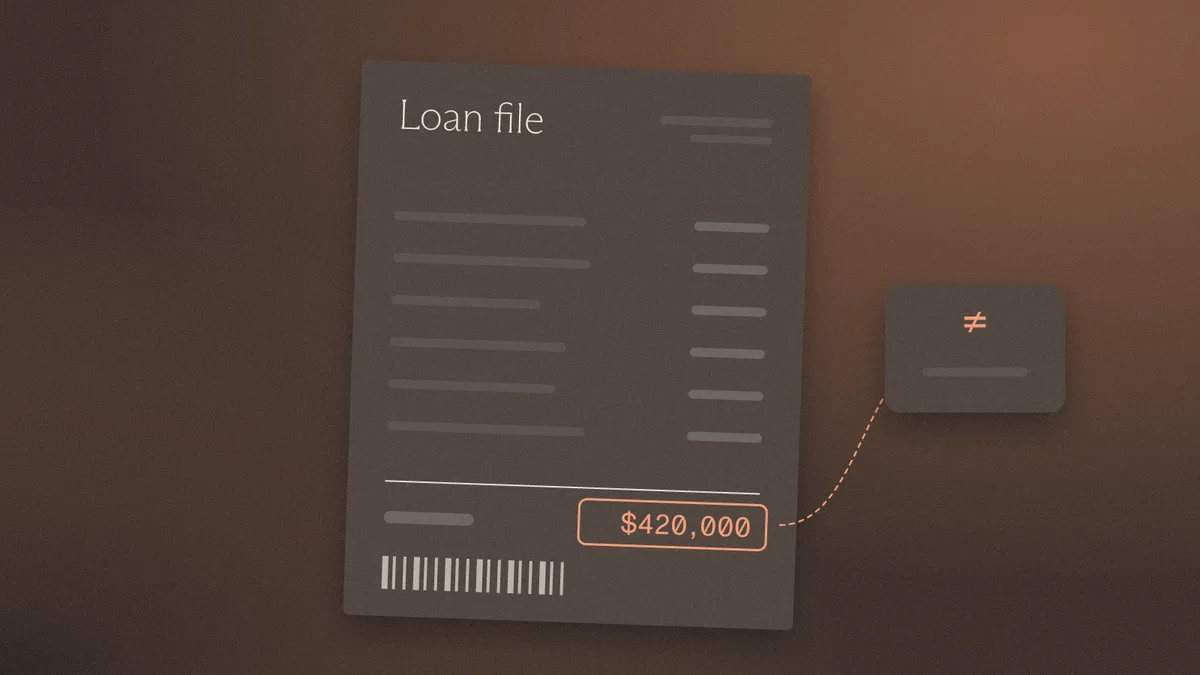
KYB document fraud detection checks certificates, registry extracts, and proof of address as files. Visual review misses edited-after-creation PDFs.

Document fraud statistics from FinCEN, FBI IC3, and FTC — and what those figures miss about edited PDFs, counterfeit templates, and file-level detection.
How to spot a fake certificate of incorporation in KYB: registrar mismatch, edited seals, generated COIs, and serial reuse. Visual review is not enough.
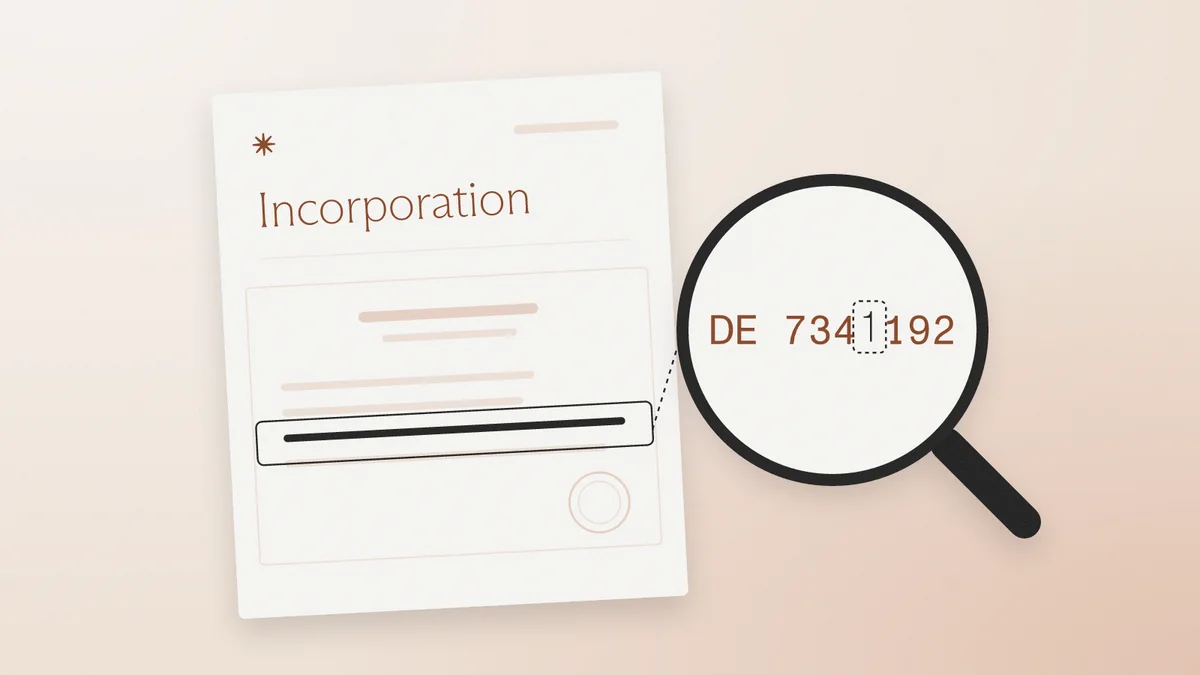
How to detect an AI-generated PDF using metadata, empty Producer strings, model artifacts, and the file history visual review misses.
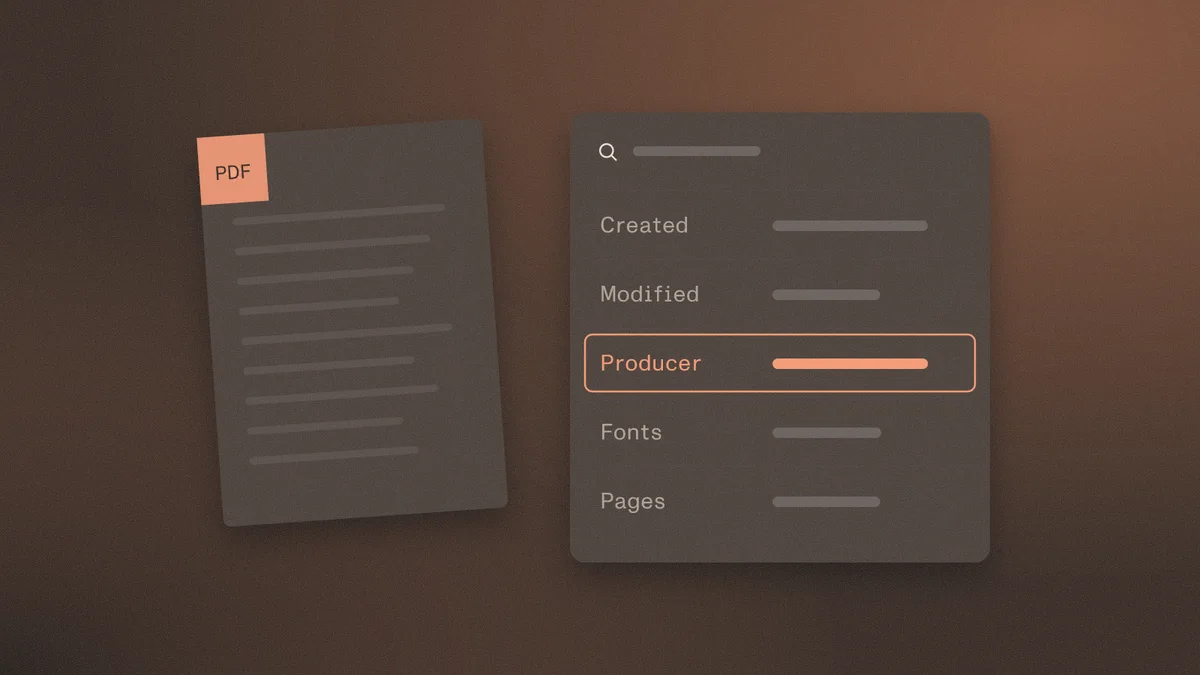
How lenders and onboarding teams spot fake pay stubs: edited vs generated files, deposit cross-checks, and what visual review misses.
How to spot a fake bank statement: edited-after-creation vs generated-from-scratch, which visual tells still work, and how file history exposes forgeries.
Try another keyword or explore a different topic.